Multiwall Paper Bags Manufacturer
Turkey Time: Loading...
Multiwall Paper Bags Manufacturer



| Why Location Matters for Construction |
| Key Factors for USA and Europe |
| Steps to Evaluate Locations |
| Decision and Next Steps |
| FAQ |
The construction site location refers to the physical place where a project will be built and the surrounding conditions that influence safety, logistics, and compliance.
Where you place a site affects land cost, site readiness, permitting times, and the ability to move materials quickly. In the United States and Europe a good choice can save millions over the project life cycle.
In the United States the local zoning building codes and environmental reviews govern site selection. In Europe Eurocodes national annexes and planning permissions shape decisions. Start with an early stakeholder map in both contexts to avoid delays.
Reliable access to electricity water drainage and communications reduces risk and disruption. Consider utility capacity redundancy and future expansion in both markets.
Close proximity to skilled labor and local suppliers helps with schedule reliability and cost control.
Create a short list of constraints and rank them. Use GIS mapping site visits and community input to screen options.
Identify required permits early and map approval timelines to the project schedule.
Estimate total cost of ownership including land cost taxes insurance and site readiness.
Note environmental social and political risks that could affect timelines or budgets.
Choosing the right construction site location is the single biggest decision you can make to save time money and headaches.
Use a structured scoring model that weighs cost risk and schedule. Compare alternative sites side by side using a standardized rubric with input from design procurement and operations.
Engage authorities finalize contracts perform due diligence and plan for contingencies.
Rushing to a site without due diligence ignoring environmental constraints or underestimating logistics can derail a project.
Ideally during the concept phase to align design and procurement with site realities.
Zoning maps right of way data permitting timelines utility availability flood risk and labor market information.
Europe emphasizes planning consent Eurocodes and national annexes timelines can be longer and vary by country involve local authorities early.
It is possible but costly and risky start with a thorough site evaluation to minimize changes later.
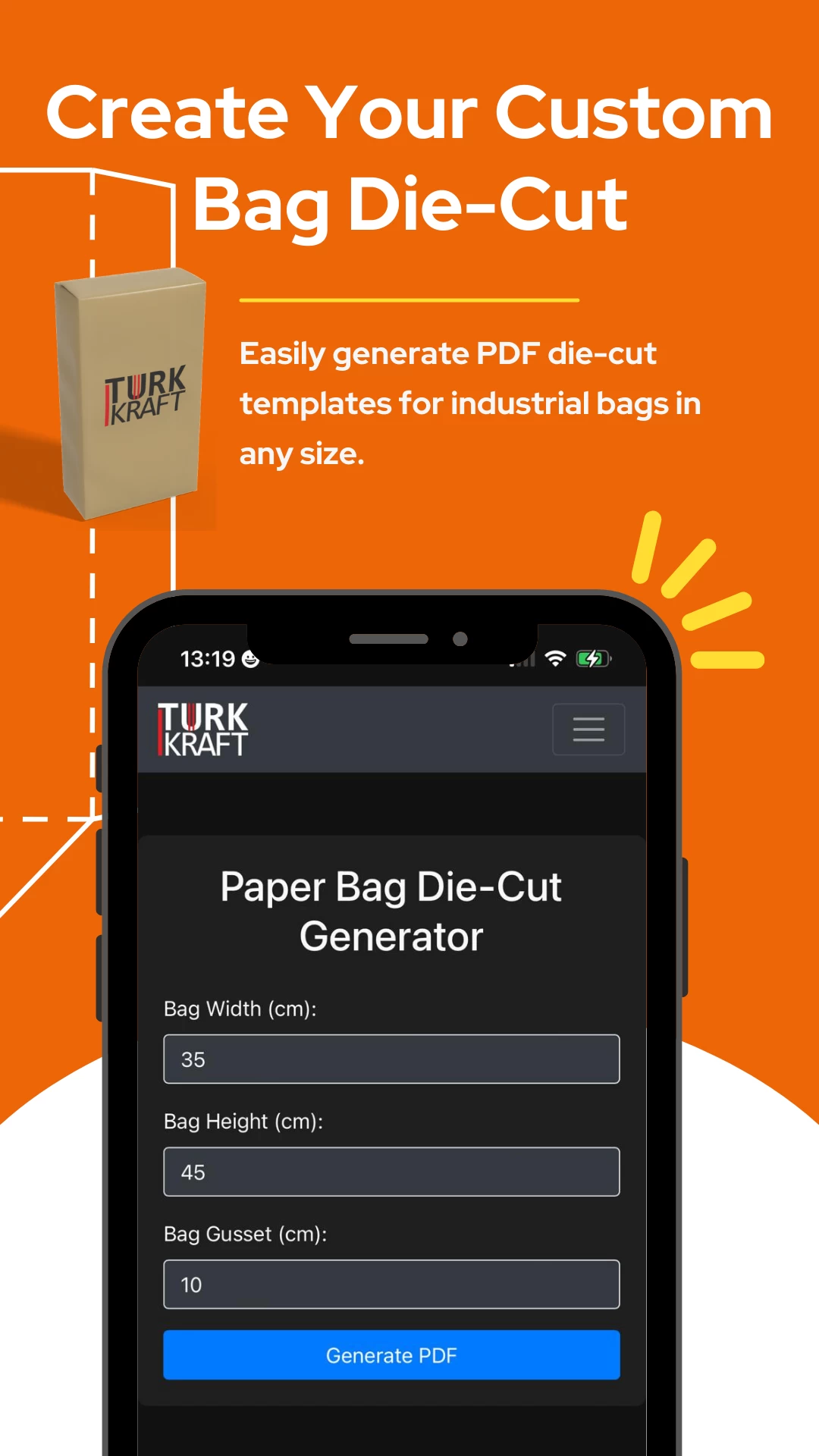
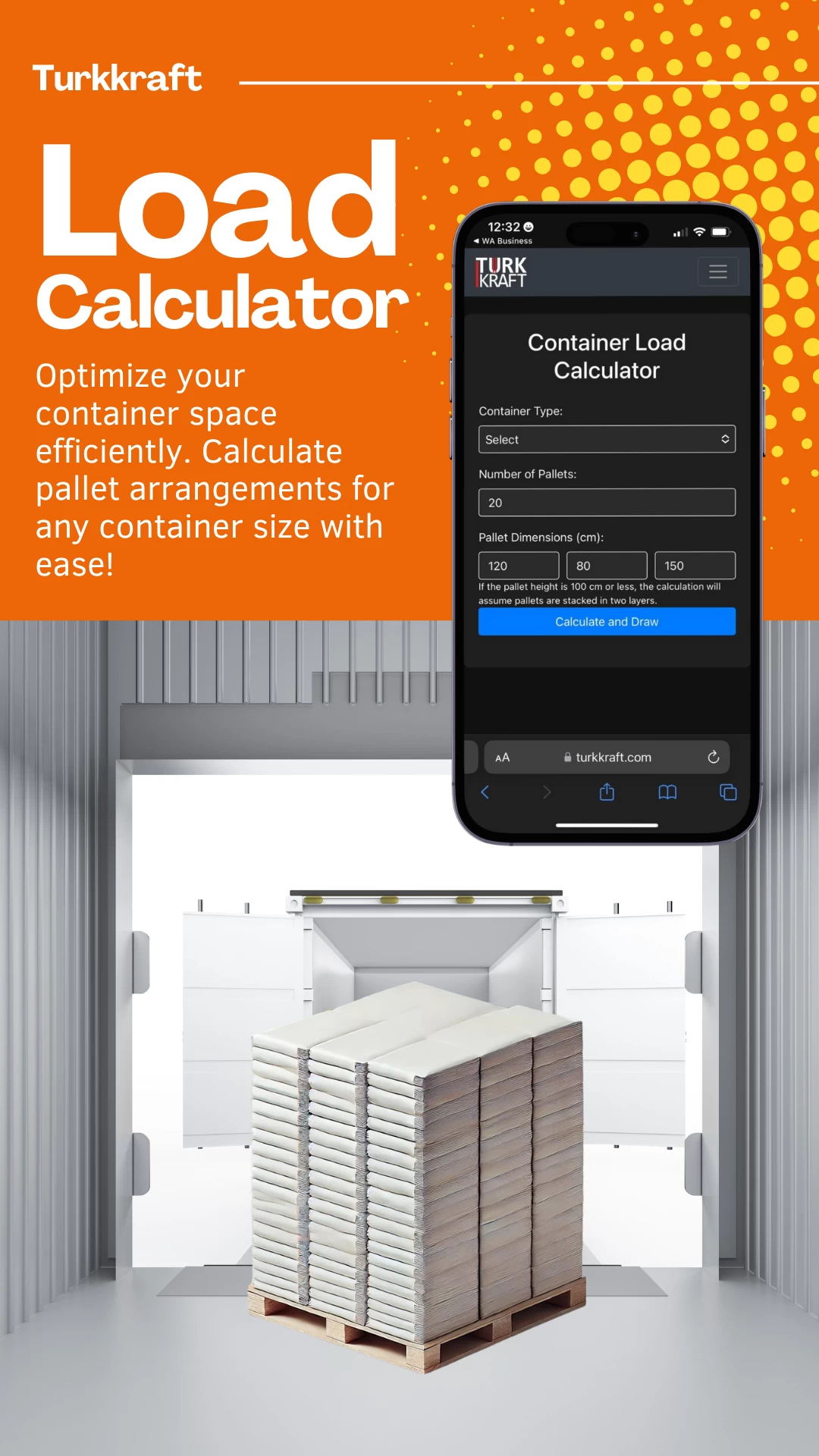


Türkkraft® is a producer of multi-wall industrial paper and PP sacks. It operates with intercontinental production.
